



























































































































Blog
Unless otherwise stated, content is shared under CC-BY-NC Licence
Building our community across borders – or just, ‘the way we do things.’

Last year, just 9 months ago in fact, the DPC declared itself open for international membership – that is to say members based outside the UK and Ireland, where we have our roots. In the months that have passed, we’ve seen six new members… including additions from Canada (official announcement coming later today!), Switzerland, the Netherlands and the US.
The Trials of Sisyphus

Working in the British Museum and moving towards adopting a more fully integrated approach to digital asset management and preservation is a richly rewarding and challenging endeavor. The scale of the challenge is however significant. To illustrate this and highlight the increased order of magnitude of the demands placed on the organisation, I can let you know that one smaller department for example within our organization annually creates upwards of 60,000 digital documents. This is one department in over thirty.
Aye Preserve? Aye: Glasgow & West of Scotland Digital Preservation Support Group

‘How can we make sure we can access our important digital data in the future?’ was the tagline for ‘Aye Preserve’ – a half day event hosted by the University of Glasgow (UoG) and the Digital Preservation Coalition in Glasgow at the end of February.
Collaboration, consultancy and communication: benefitting from DPC Membership

The University of Glasgow is delighted to have become a full member of the Digital Preservation Coalition (DPC). This joint initiative between the Humanities Advanced Technology and Information Institute (HATII) and the Library builds on seven years of collaboration between HATII and the DPC. Our membership decision comes as the University finalises our own Digital Preservation Policy, creates our high level DP plans and engages with the Jisc's pilot preservation project. We look forward to collaborating with and contributing to the DPC and its broad membership as we manage the challenges that DP brings.
Laying the Foundations

Over the last two years, I have been working with our Archivist (I’m the Records Manager) to create a blue-print for digital preservation in the University of Portsmouth. Our brief is simple… find a solution to the issue of digital preservation, using existing systems (which were not necessarily designed with preservation in mind), whilst carrying on with our usual day-to-day work. The task of building a solution is, of course, far from simple and it can often feel like we are making very little progress; but now that I reflect upon it for this blog I realise how far we have actually come in laying the foundations. Our approach has been one of logic with a heavy dose of pragmatism, focusing on what steps we can take towards good practice.
Creating the disruptive digital archive

Over the last few months we have been working to develop a new Digital Strategy for The National Archives. We wanted to share what we’ve been doing with the digital preservation community. In part that’s because we hope it will be interesting and also because we really value others comments, insights and ideas. Working on the strategy has provided a valuable chance to reflect on where we are as a digital archive and to chart our next steps.
Our business strategy, Archives Inspire says that ‘digital’ is our biggest strategic challenge. The National Archives is not alone: archives worldwide are grappling with the issues of preserving digital records. We also need to be relevant to our audiences: public, government, academic researchers and the wider archives sector – to provide value to them at a time of change.
International Digital Curation Conference 2017 Edinburgh

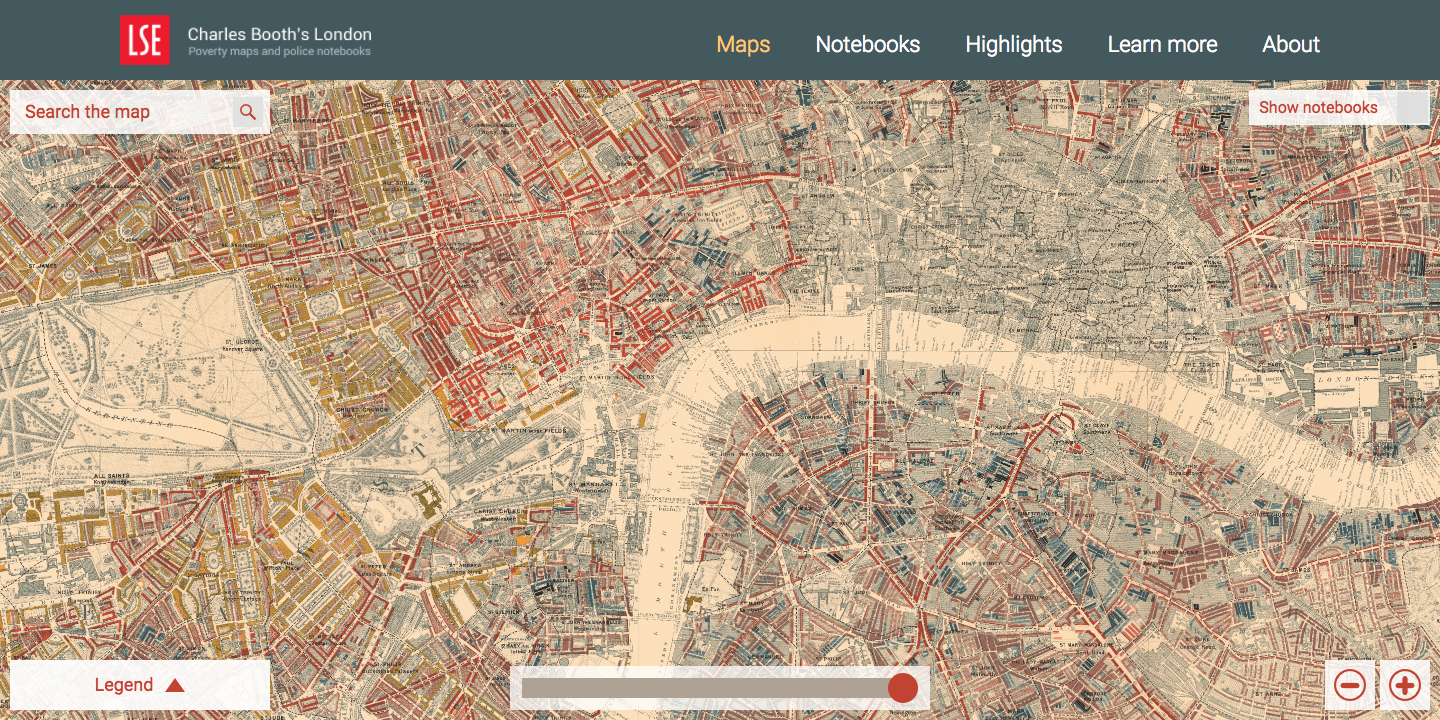
As was to be expected, technology was a common theme running through many of the sessions at this year’s digital curation conference. As a LAM devotee and PhD student, I spend much of my time immersed in theories and policies, so this exposure to the newest tools is very useful. As I steer my attention toward my own research on digital objects in cultural heritage settings, IIIF is emerging as a potential tool. Pronounced “triple I-F”, the tool was highlighted brilliantly in Neal Stewart’s demonstration of LSE’s Charles Booth’s London. A mashup of GIS, archival objects, and digital witchery, this magic wand allows the user to explore Victorian London via Charles Booth’s Poverty maps and police notebooks combined with GIS to align maps of current London with the historical one.
Digital Preservation News 045

Roughly weekly/monthly news and opinions from the Digital Preservation Coalition’s Head of Research and Practice, Paul Wheatley. Opinions are the opinions of Paul and those featured. Not the DPC. They’re just opinions, ok? Just because the blog has moved to the official DPC website does not mean this isn't just a load of opinions. Back issues are here.
OA > data > code : a conversation

This blog post is derived from a series of emails between Jez Cope, Research Data Manager at the University of Sheffield, and Martin Donnelly of the Digital Curation Centre (DCC), University of Edinburgh, in early January 2017.
MD – From Open Access (OA) publications to research data management (RDM), over the past decade or so scholars and researchers – as well as the people who support them, such as librarians and IT professionals – have had to get used to constantly increasing responsibilities and expectations to prepare their outputs for long-term preservation. The next thing on the horizon is software, with open workflows and methodologies close behind. How does software preservation differ from its predecessors in this chain?
JC – I think there are some very high expectations to live up to, based on the success of OA and RDM. OA is seen by a lot of people as an overnight success, but like most overnight successes it’s been over a decade in the making. We’re already dealing with expectations that RDM can be solved quickly now that OA has been ‘solved’ (which in reality it hasn’t), and I think that problem will only be greater with software.
Why digital preservation is or isn’t business as usual

There seems to be a lot of chatter around at the moment, and has been for some time, about how digital preservation should be ‘business as usual’. I like the idea; preservation becoming a core part of business activity. What we do every day. The only thing is I think this approach is wrong.